Maasai Culture & Community · Enkoropil

This camp was
built by the
Mara’s people.
For the world.

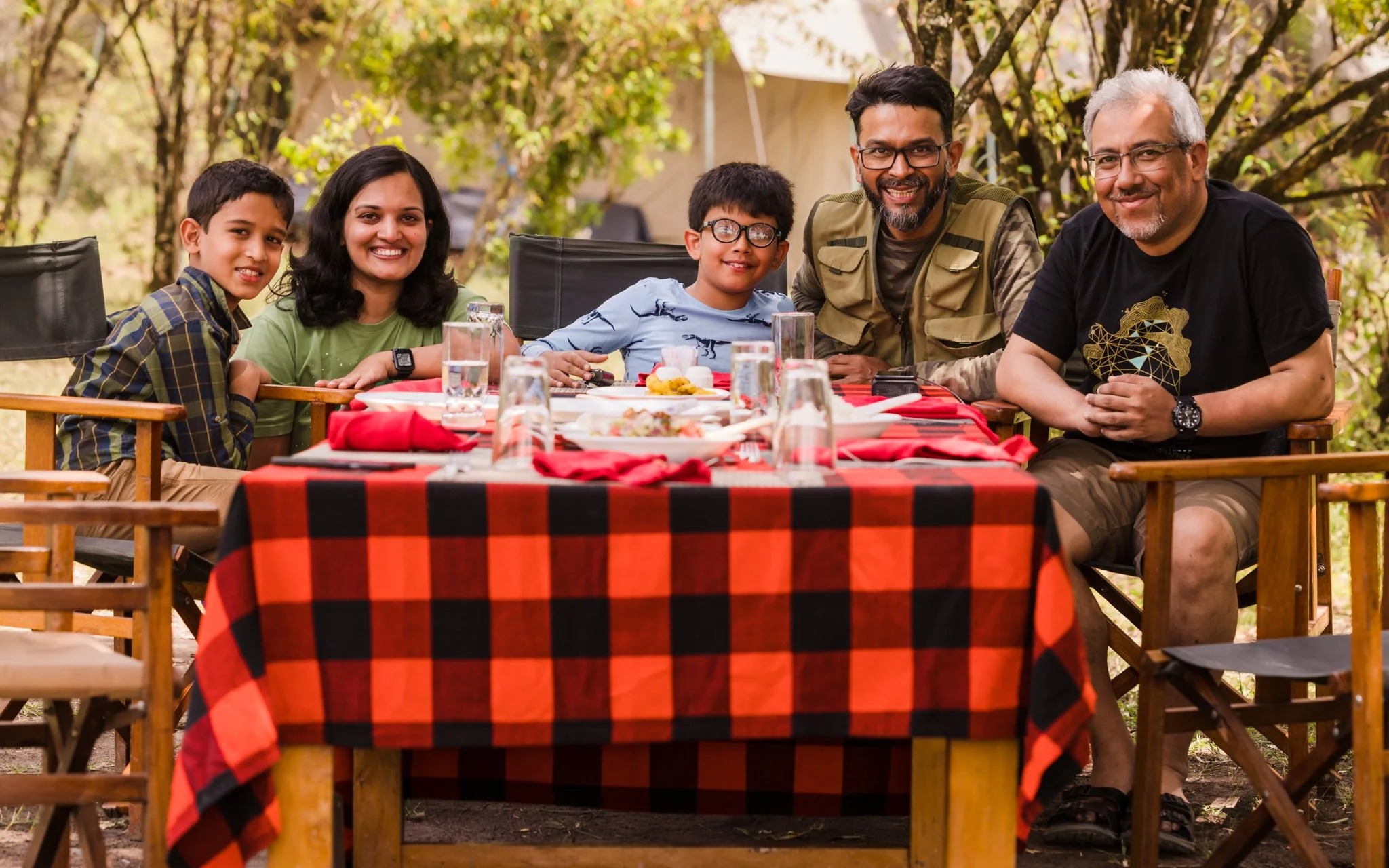
Enkoropil is owned and run by a Maasai family. The culture you experience here is not performed for guests — it is lived every day.

Explore the Experiences
Maasai beadwork and traditional crafts at Enkoropil Mara Camp Enkoropil Mara Camp
Who built this camp & why it matters

Enkoropil is owned by a Maasai and run with his family. The land, the camp, the guides, the community visits — everything here flows from people who were born on this land and have chosen to share it on their own terms.

Intricate Maasai beadwork and traditional craft work Enkoropil Mara Camp
The difference ownership makes

Most camps have a
Maasai experience.
We are the experience.

“When the Maasai own the land and run the camp, the culture is not an add-on. It is the foundation.”

There are many safari camps in the Mara that offer a Maasai cultural visit as an optional extra — a trip to a nearby village, a dance performance, a curio stall at the gate. Enkoropil is different in a way that matters: the owner is Maasai. His family runs the camp. The guides grew up here. The knowledge you receive on every walk, every drive, and every conversation is not briefed — it is inherited.

When you ask your guide why the acacia thorns point a certain direction, or what that bird call means, or how the Maasai tracked elephant before GPS — the answer comes from a lifetime of living alongside these things. That is not something that can be simulated.

See What’s Available
What we offer

Six ways to understand
this land and its people.

All cultural experiences are arranged through the camp and led by members of the local Maasai community. They can be combined or done individually, depending on your interests and the length of your stay.

Maasai Village Visit

A guided visit to one of several local Maasai manyattas — traditional homesteads where families live within a circle of thorn-fenced bomas. You will meet elders, see how homes are constructed and maintained, and understand the social structure that has held Maasai communities together for centuries.

Arranged on request

Maasai Dance & Song

The adumu — the Maasai jumping dance — is one of the most recognisable cultural expressions in Africa, but hearing it explained by the people who practise it changes everything. Warriors perform in full ochre and beadwork, and guests are welcome to participate if they wish.

Arranged on request

Warrior Training

Spear throwing, shield technique, and the physical discipline of Maasai warrior preparation — taught by morans (young warriors) who have been through the full coming-of-age process. A genuinely participatory experience, not a demonstration watched from a distance.

Arranged on request

Guided Walks with Elders

Walking the Mara with a Maasai elder is categorically different from any other bush walk. Every plant has a medicinal use, a story, or a name. Every animal behaviour has a meaning. The Maasai have been reading this landscape for longer than any textbook has existed.

Arranged on request

Fire Starting

The traditional Maasai method of starting fire — using two sticks, dry grass, and a technique refined over generations — is one of the most satisfying things a guest can learn at camp. It takes patience, proper technique, and a guide who knows exactly how to teach it. Most guests get it on the first day.

Arranged on request

Beadwork & Craft

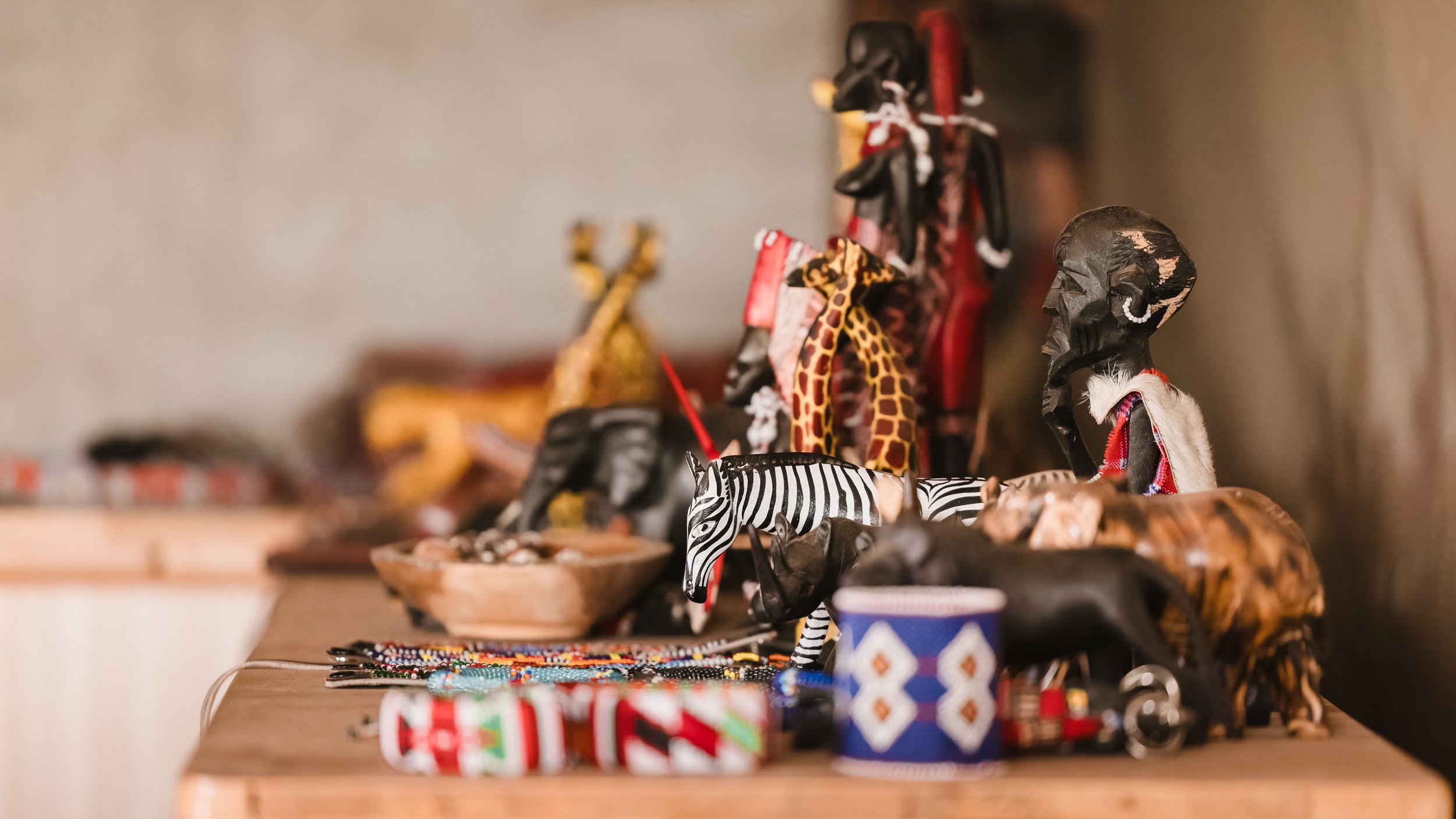
Maasai beadwork is one of the most complex visual languages in Africa — every colour, pattern and combination carries meaning about age, status, and identity. Demonstrations and workshops are available, and the pieces made by camp community members are available to purchase directly, with all proceeds going to the makers.

Available at camp
A living language

Every bead has
a meaning. Every
pattern tells a story.

Maasai beadwork is not decoration — it is a complex system of communication that encodes age, gender, social status, and life stage into colour and pattern. A warrior’s necklace tells you exactly where he is in his journey through the Maasai age-grade system. A married woman’s collar announces her status in the community.

The women who make the pieces sold through Enkoropil are members of the local community. When you buy a piece, the full price goes directly to the maker. There are no middlemen and no camp commission. We mention this because we know it matters to the guests who ask.

Plan a Cultural Stay
Close-up of Maasai beadwork showing traditional colours and patterns Enkoropil Mara Camp
The village visit

A home, not
a performance.

Several Maasai villages within the area are available for visits, arranged through the camp. These are not purpose-built tourist villages — they are real homesteads where families live, raise children, and maintain the traditions that have defined Maasai identity for generations.

“Our guides will tell you before you visit what is appropriate to photograph and what is not. Guests who follow this guidance consistently report more meaningful experiences — and more genuine interactions — than those who arrive with cameras first.”

Visits are conducted with the full knowledge and consent of the village elders. A portion of all cultural visit fees goes directly to the community visited. We do not organise visits to villages that have not explicitly welcomed this arrangement.

Enquire About Cultural Visits
Warm community gathering at Enkoropil Mara Camp
Maasai crafts and cultural objects
Conservation & community

Protecting the wildlife
is protecting
the Maasai way of life.

The Maasai have coexisted with the wildlife of the Mara for centuries — not despite the lions and elephants, but alongside them. The Maasai understanding of this ecosystem is one of the reasons the Mara is still intact when so many other East African wild areas are not.

Enkoropil’s owner is an active participant in an anti-poaching programme operating in the Mara, with a specific focus on elephant and rhino protection — the two most heavily targeted species in Kenya. When you stay at Enkoropil, a portion of your stay contributes directly to this work.

Conservation is not a marketing word here. It is what the owner does when guests are not watching.

Stay & Support the Work

Community Owned

The camp is owned and operated by a Maasai family. Profit stays in the community.

Anti-Poaching

Active participation in elephant and rhino protection programmes in the Mara ecosystem.

Direct Impact

Cultural visit fees go directly to the communities visited. Craft purchases go directly to the makers.

Local Employment

Every guide, every member of camp staff, is from the local Maasai community. The wages stay local.

For the thoughtful traveller

Why where you stay
in the Mara matters.

“The Mara belongs to the Maasai. The question every visitor should ask is: who benefits when I pay to be here?”

Safari tourism is one of Kenya’s most significant sources of foreign revenue — and one of the most unequally distributed. Many international camps extract significant profit from land that Maasai communities have lived on and protected for generations, while the communities themselves see a fraction of the value created.

Enkoropil is a direct response to that imbalance. Choosing to stay here is a choice to put your travel spend in the hands of the people whose land and culture you came to experience.

Maasai cultural heritage at Enkoropil Mara Camp
Culture, wildlife, community

Come for the lions.
Stay for everything
the Mara is made of.

The wildlife is extraordinary. But guests who engage with the culture, the community, and the people behind the camp consistently say it is what they remember longest.

Enkoropil Mara Camp
Scroll to Top